Why Clinical Trial Recruitment Needs Chatbots in 2026
Clinical trial recruitment is the single largest bottleneck, as documented by the National Institutes of Health (NIH) clinical trials program, in bringing new therapies to patients. According to the Tufts Center for the Study of Drug Development, 80% of clinical trials fail to meet enrollment timelines, and delays cost sponsors an estimated $600,000 to $8 million per day in lost revenue for late-stage trials. The problem is not a lack of willing patients. Surveys consistently show that 70-85% of patients would participate in a clinical trial if asked, yet only 3-5% of eligible patients are ever enrolled. The gap between willing patients and enrolled participants is a recruitment and communication failure that chatbots are uniquely positioned to solve.
Consider the traditional recruitment pathway. A patient sees an advertisement for a clinical trial, visits a website, and encounters a contact form or phone number. If they call during business hours and reach the recruitment coordinator, they begin a 15-20 minute phone screening that covers inclusion criteria, exclusion criteria, medical history, current medications, geographic proximity, and scheduling availability. If the coordinator is busy (which is frequent, since one coordinator typically manages 15-30 active studies), the patient reaches voicemail. Research from the Society for Clinical Research Sites shows that 62% of patients who reach voicemail never call back. The motivated patient who saw the ad at 9 PM is lost by 9 AM the next day.
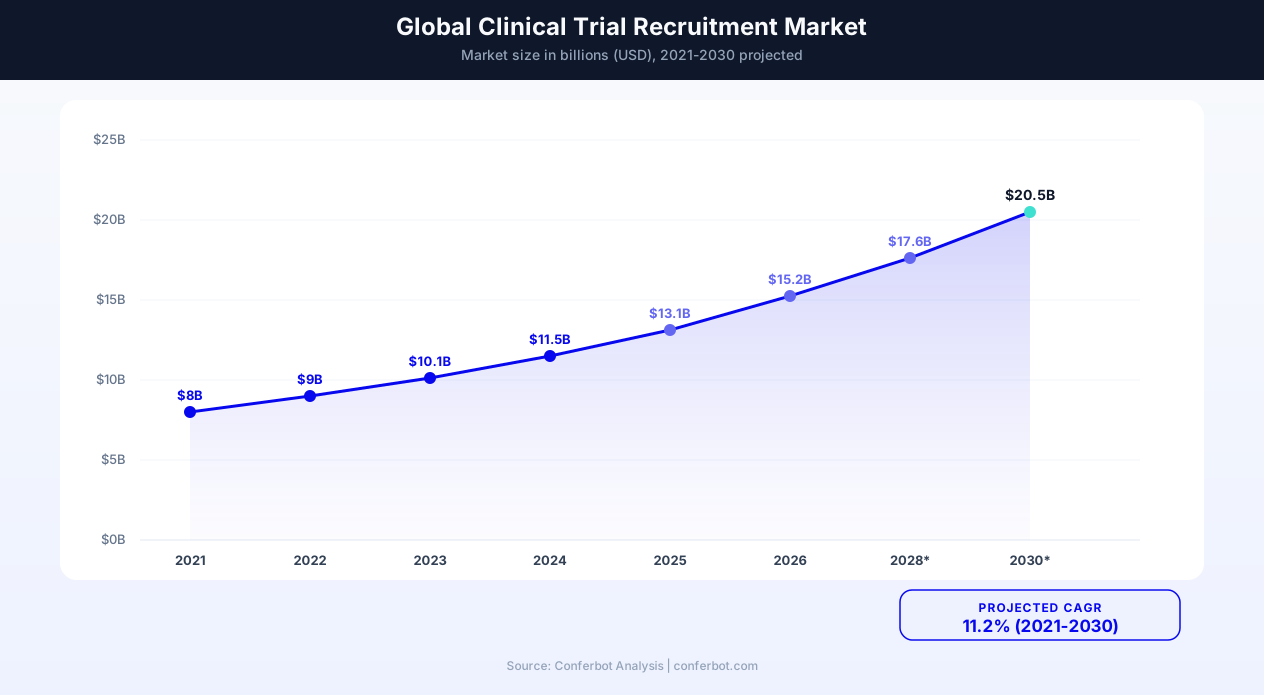
The clinical trial recruitment market is projected to reach $20.5 billion by 2030, growing at a CAGR of 11.2%. This growth is driven by increasing trial complexity, the expansion of decentralized and hybrid trial designs, the rise of precision medicine requiring specific patient populations, and the recognition that traditional recruitment methods cannot scale to meet demand. AI-powered chatbots represent the most significant operational improvement available to trial sponsors, CROs, and clinical research sites today.
A clinical trial recruitment chatbot transforms the patient journey from a linear, phone-dependent process into an always-available, self-service engagement channel. It screens patients against inclusion and exclusion criteria in real time, collects medical history and medication information conversationally, answers questions about the trial protocol and logistics, schedules screening visits, and maintains engagement throughout the enrollment period. The chatbot does not replace the clinical research coordinator. It amplifies their capacity by handling the repetitive, high-volume screening tasks that consume 60-70% of their time, allowing them to focus on the complex cases and relationship management that require human judgment.
This guide covers the complete implementation of chatbots in clinical trial recruitment: from pre-screening automation and enrollment acceleration to patient retention, regulatory compliance, and a detailed ROI model that justifies the investment to sponsors and CROs. Whether you manage a single research site or coordinate multicenter global trials, the strategies in this guide will measurably improve your recruitment outcomes.
Pre-Screening Automation: From 42% Contact to 78% Engagement
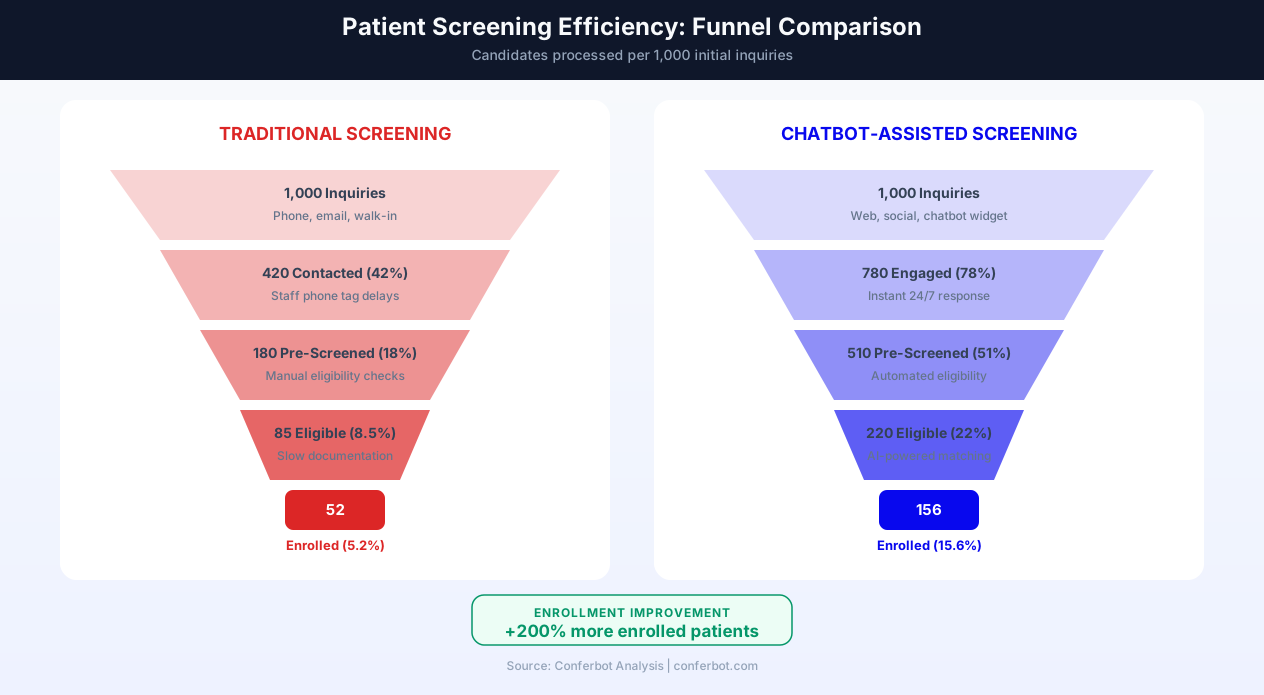
Pre-screening is the highest-volume, most repetitive task in clinical trial recruitment, and it is the single most impactful place to deploy a chatbot. The difference in engagement rates between traditional and chatbot-assisted pre-screening is dramatic and well-documented across multiple therapeutic areas.
Why Traditional Pre-Screening Fails at Scale
The standard pre-screening workflow requires a trained coordinator to conduct a structured telephone interview with each prospective participant. The coordinator reads from a scripted checklist covering age, diagnosis, current medications, previous treatments, geographic proximity, and scheduling availability. Each call takes 15-20 minutes when the patient is reached on the first attempt, but the average number of call attempts to reach a prospective participant is 3.2, with each voicemail and callback consuming additional coordinator time. For a trial targeting 500 enrolled patients with a typical 7:1 screen-to-enroll ratio, the coordinator must pre-screen approximately 3,500 patients by phone, a task requiring approximately 1,200 hours of dedicated phone time.
The chatbot transforms this process entirely. When a patient visits the trial website at any time of day, the chatbot initiates the pre-screening conversation immediately. The chatbot asks the same structured questions as the coordinator but does so conversationally, one question at a time, with supportive transitions and immediate feedback. Patients who do not meet a critical inclusion criterion receive a compassionate explanation ("Based on what you have shared, this particular study may not be the best fit, but we may have other studies that could be appropriate. Would you like us to check?") rather than a blunt rejection. Patients who appear eligible receive an immediate next step: scheduling a screening visit, connecting with a coordinator for detailed discussion, or joining a waitlist for upcoming study phases.
The Chatbot Pre-Screening Flow
A well-designed clinical trial pre-screening chatbot covers these categories in a specific sequence designed to maximize both efficiency and patient experience:
- Initial qualification: Age range, geographic location, and primary diagnosis confirmation. These three criteria eliminate approximately 40% of unqualified inquiries within the first 30 seconds.
- Inclusion criteria check: The chatbot walks through each inclusion criterion conversationally, using plain language rather than clinical jargon. Instead of asking "Do you have histologically confirmed Stage IIIB or IV non-small cell lung cancer?" the chatbot asks "Has your doctor told you that you have advanced lung cancer that has not been treated with immunotherapy before?"
- Exclusion criteria check: Key exclusion criteria are checked, including contraindicated medications, recent surgeries, active secondary cancers, and pregnancy. The chatbot uses adaptive logic to skip irrelevant exclusion criteria based on previous answers.
- Medical history: Current medications, allergies, prior treatment history, and relevant comorbidities. The chatbot pre-populates common medications and allows patients to select from lists rather than typing medication names.
- Logistics and motivation: Distance to the study site, transportation availability, scheduling flexibility, and the patient's primary motivation for considering the trial. This information is valuable for predicting retention.
- Next steps: Qualified patients are immediately offered screening visit scheduling. The chatbot checks available slots in the site's calendar and confirms the appointment in real time.
The entire flow takes 6-10 minutes in conversational format versus the 15-20 minutes for a phone screen plus the 3.2 average call attempts. More importantly, the chatbot achieves a 78% engagement rate compared to 42% for phone outreach, because it responds instantly, operates 24/7, and eliminates the anxiety many patients feel about calling a clinical research site. For organizations already using chatbot lead qualification in other contexts, adapting these flows for clinical trials is a natural extension.
Enrollment Acceleration: Cutting Timelines by 50%
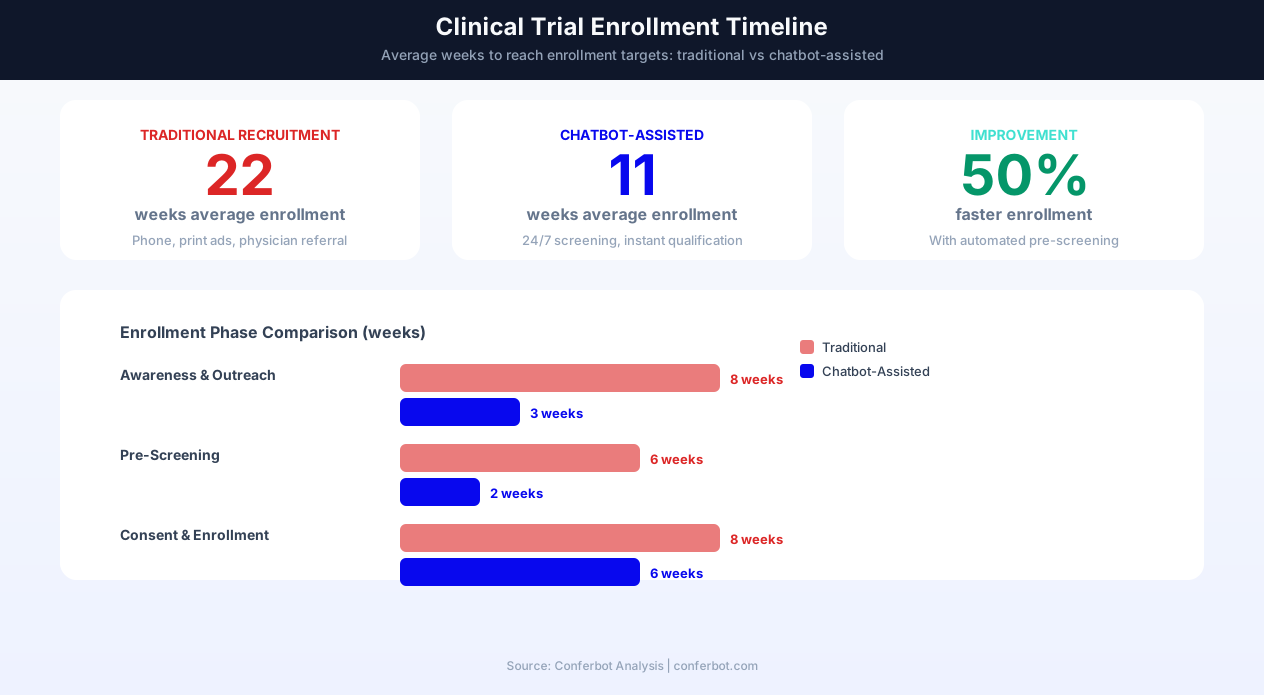
The most expensive cost in drug development is time. Every day a trial remains under-enrolled delays the regulatory submission, extends the period before revenue generation, and increases the risk that a competitor reaches market first. The average Phase III clinical trial takes 22 weeks to reach enrollment targets using traditional recruitment methods. Chatbot-assisted recruitment reduces this to approximately 11 weeks, a 50% improvement that translates directly to millions of dollars in saved opportunity cost.
Where Time Is Lost in Traditional Enrollment
Enrollment delays occur at three predictable bottlenecks, each of which the chatbot addresses directly.
Awareness and outreach (8 weeks traditional, 3 weeks with chatbot): Traditional recruitment relies on print advertising, physician referrals, and patient databases. Response rates are low (1-3% for print, 5-8% for physician referrals), and the lag between awareness and first contact averages 12 days. The chatbot eliminates this lag by engaging patients at the moment they express interest, whether that is clicking a digital ad at 2 AM, visiting the trial listing on ClinicalTrials.gov, or responding to a social media post. ClinicalTrials.gov receives over 300 million page views annually, and embedding a chatbot pre-screener on trial listing pages captures interested patients before they navigate away.
Pre-screening (6 weeks traditional, 2 weeks with chatbot): Phone-based pre-screening creates a sequential bottleneck. Coordinators can process 8-12 phone screens per day. A chatbot can process hundreds simultaneously. The parallel processing capacity of the chatbot, combined with its 24/7 availability, compresses the pre-screening phase from 6 weeks to approximately 2 weeks.
Consent and enrollment (8 weeks traditional, 6 weeks with chatbot): The consent process requires in-person interaction for most trials, but the chatbot accelerates the pre-consent phase by providing detailed study information, answering protocol questions, and ensuring patients arrive at the consent visit fully informed. Patients who have already engaged with the chatbot complete the consent process 40% faster because they have fewer questions and higher confidence in their decision.
After-Hours Enrollment Capture
Research behavior data shows that 80% of clinical trial searches occur outside standard business hours. Patients diagnosed with serious conditions often research treatment options late at night, on weekends, and during holidays. A chatbot captures these high-intent patients at their moment of maximum motivation. Without a chatbot, these patients encounter a contact form that generates a response 38 hours later on average, by which time the urgency has diminished or the patient has found another trial. According to the CenterWatch patient survey, 67% of patients who initially express interest in a trial but do not receive a response within 24 hours do not follow up.
Multicenter Coordination
For multicenter trials, the chatbot serves as a centralized screening platform that routes qualified patients to the nearest participating site. Geographic qualification happens automatically, and the chatbot can present site-specific scheduling options in real time. This coordination eliminates the site-level bottleneck where an underperforming site slows the entire trial while overperforming sites have reached their enrollment caps.
Cost Per Enrolled Patient: 37% Reduction Across Therapeutic Areas
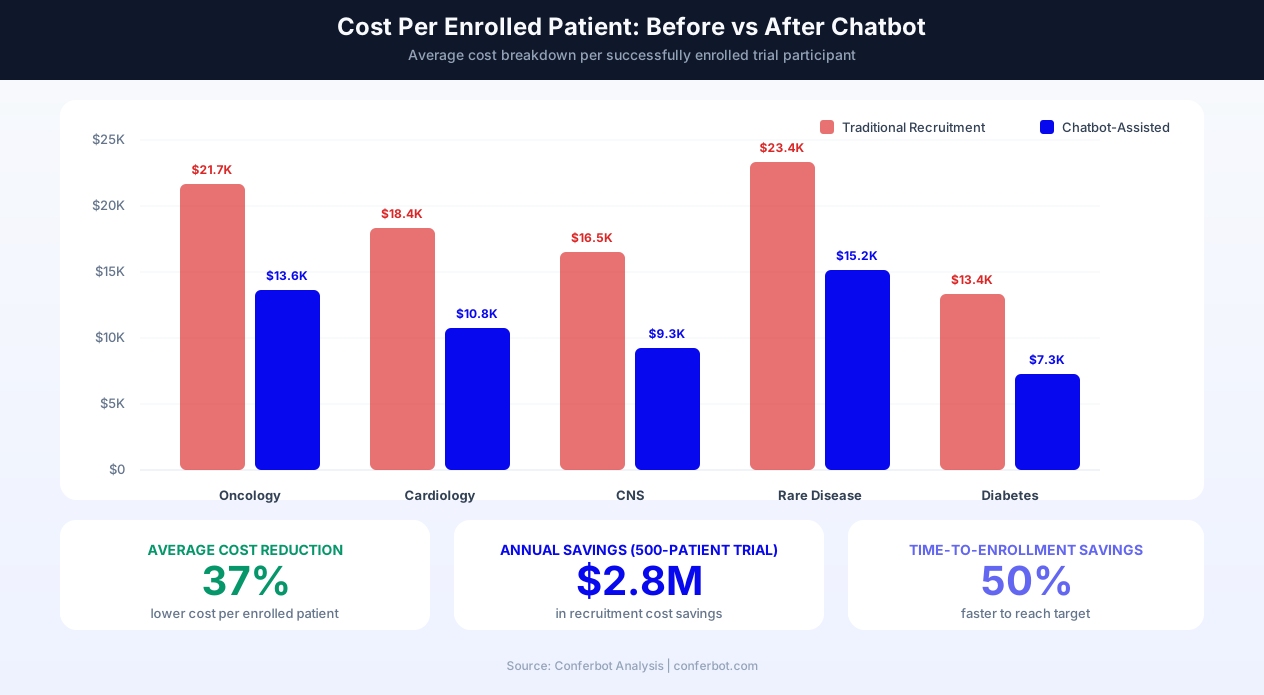
The cost per enrolled patient is the fundamental metric, benchmarked by the Tufts Center for the Study of Drug Development (CSDD), for evaluating recruitment efficiency. According to industry benchmarks, the average cost per enrolled patient ranges from $7,300 for diabetes trials to $23,400 for rare disease trials, with oncology averaging $21,700 and cardiology at $18,400. Chatbot-assisted recruitment reduces these costs by an average of 37% across all therapeutic areas.
Where Recruitment Costs Accumulate
Recruitment costs for a typical Phase III trial break down into five categories:
- Advertising and outreach (30-35%): Print advertisements, digital campaigns, social media, physician outreach, and patient database licensing. The chatbot improves advertising ROI by increasing the conversion rate from ad click to enrolled patient. When a $50 cost-per-click advertisement leads to a chatbot engagement that converts 15.6% of inquiries to enrollment (versus 5.2% without), the effective cost per enrolled patient from advertising drops by two-thirds.
- Coordinator time (25-30%): Phone screening, scheduling, follow-up, and administrative documentation. The chatbot automates 60-70% of coordinator screening tasks, freeing coordinators to focus on complex cases and consent discussions. A site that previously required two full-time coordinators for a single trial can often manage with one coordinator plus the chatbot.
- Site overhead (15-20%): Office space, phone systems, printing, and IT infrastructure for recruitment operations. The chatbot reduces physical infrastructure requirements by shifting screening to digital channels.
- Rescreening (10-15%): Patients who are initially screened but fail to complete enrollment require re-contact and rescreening. The chatbot reduces rescreening rates by 45% through better initial qualification and automated follow-up that maintains patient engagement between screening and enrollment.
- Screen failures (5-10%): Patients who pass pre-screening but fail the clinical screening visit. The chatbot's more thorough pre-screening reduces screen failure rates from 28% (industry average) to 15%, saving the cost of unnecessary screening visits.
Annual Savings at Scale
For a 500-patient trial with an average cost per enrolled patient of $18,000 (traditional) versus $11,340 (chatbot-assisted), the total recruitment savings equal $2.8 million per trial. For a pharmaceutical company running 15-25 trials simultaneously, the annual savings from chatbot-assisted recruitment across the portfolio exceed $30 million. Even for a single-site clinical research organization running 8-10 trials concurrently, the savings justify the chatbot platform cost within the first week of operation.
For research organizations already tracking chatbot ROI, clinical trial recruitment offers the highest per-unit return of any chatbot use case because the value per enrolled patient is so high.
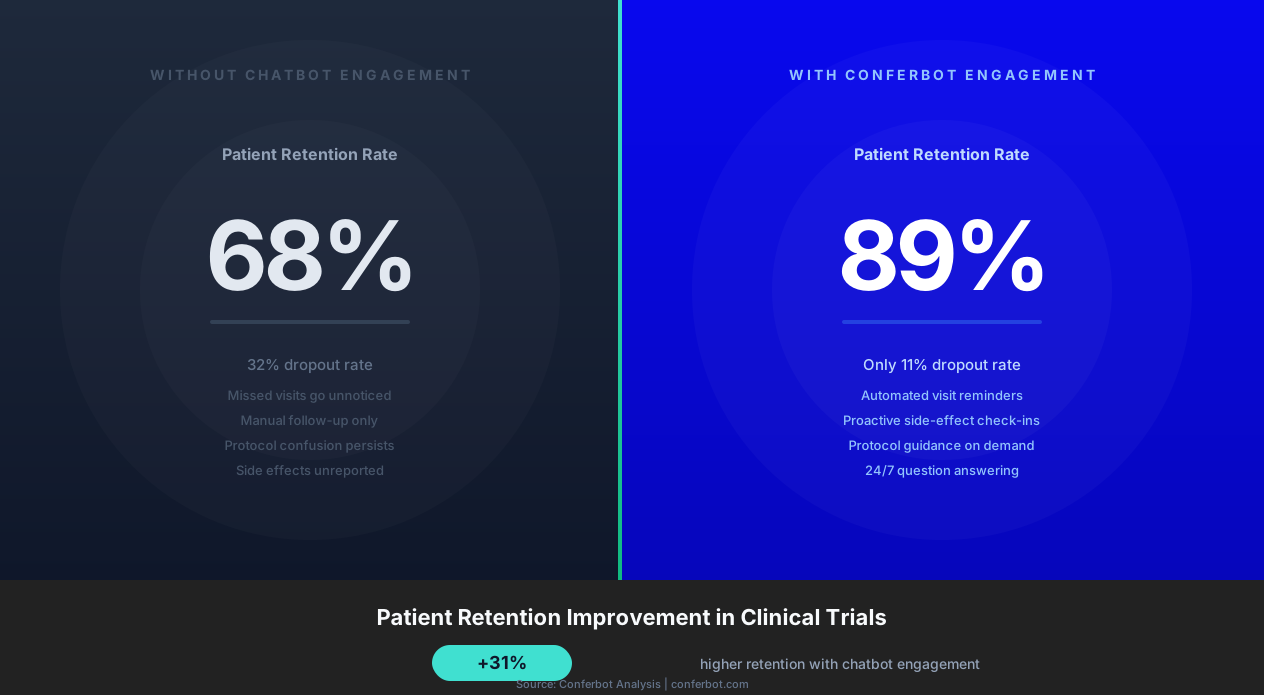
Patient Retention: From 68% to 89% With Chatbot Engagement
Enrolling patients is only half the challenge. Retaining them through the full trial duration is equally critical. Industry data shows that 32% of enrolled patients drop out before completing their assigned protocol, with dropout rates highest in oncology (38%), CNS disorders (35%), and cardiovascular trials (28%). Each dropout represents the full sunk cost of recruitment and screening plus the need to enroll a replacement patient. For a Phase III trial, each dropout costs $30,000-$50,000 in direct costs and potentially months of timeline delay if the trial must re-recruit to meet its statistical power requirements.
Why Patients Drop Out
Patient dropout in clinical trials is driven by five primary factors, each of which the chatbot can address proactively:
- Side effects and adverse events (35% of dropouts): Patients experiencing side effects between visits may not know whether their symptoms are expected, concerning, or an emergency. Without guidance, they assume the worst and discontinue. The chatbot provides 24/7 side-effect triage, distinguishing between expected effects ("Mild nausea in the first two weeks is common and typically resolves. Here are some tips to manage it.") and symptoms requiring medical attention ("That symptom should be evaluated. Let me connect you with the study nurse.").
- Protocol confusion (20% of dropouts): Complex dosing schedules, dietary restrictions, prohibited medications, and visit schedules create compliance challenges. The chatbot sends daily protocol reminders tailored to each patient's treatment arm and schedule, reducing protocol deviations that lead to discontinuation.
- Logistical barriers (18% of dropouts): Transportation difficulties, scheduling conflicts, and caregiver fatigue accumulate over multi-month trials. The chatbot detects scheduling challenges early and facilitates rescheduling, transportation coordination, and alternative visit arrangements for decentralized trial components.
- Loss of motivation (15% of dropouts): Long trials create engagement fatigue. The chatbot maintains motivation through milestone acknowledgments, progress updates, and educational content about the trial's potential impact.
- Communication gaps (12% of dropouts): Patients with questions between visits who cannot reach the site during business hours may disengage silently. The chatbot provides immediate answers to common questions and escalates urgent queries to the clinical team.
The Retention Engagement Strategy
Chatbot-driven retention follows a structured communication cadence:
- Pre-visit reminders (48 and 24 hours): Appointment confirmation with logistics (parking, what to bring, fasting requirements) and encouragement referencing the patient's progress.
- Post-visit follow-up (same day): Summary of what occurred at the visit, next steps, updated medication schedule, and an invitation to ask questions.
- Mid-cycle check-ins (weekly): Brief wellness check asking about side effects, protocol adherence, and general well-being. Responses are flagged for clinical review when thresholds are exceeded.
- Milestone celebrations: At 25%, 50%, 75%, and trial completion, the chatbot acknowledges the patient's contribution and reinforces the importance of their participation.
Clinics using automated appointment reminders in other healthcare contexts will recognize this cadence as directly applicable to trial retention.
Regulatory Compliance: 21 CFR Part 11 and ICH GCP Requirements
Clinical trial chatbots operate in one of the most regulated environments, governed by FDA guidance documents and ICH GCP standards in healthcare. Every patient interaction, data collection, and screening decision must comply with FDA 21 CFR Part 11 (electronic records and signatures), ICH E6(R2) Good Clinical Practice guidelines, HIPAA for protected health information, and IRB-approved protocols for patient communication. The good news is that a well-designed chatbot platform provides better compliance documentation than manual processes.
21 CFR Part 11 Requirements
Part 11 governs electronic records used in FDA-regulated activities. For clinical trial chatbots, the key requirements include:
- Audit trails: Every chatbot interaction must be logged with timestamps, patient identifiers (anonymized), and the exact content of each exchange. Conferbot's healthcare platform provides immutable audit logs that satisfy Part 11 requirements for clinical trial documentation.
- Electronic signatures: When the chatbot collects consent to be contacted or pre-consent acknowledgments, the electronic signature must include the signer's identity, the date and time, and the meaning of the signature. The chatbot captures these elements through identity verification and explicit acknowledgment flows.
- System validation: The chatbot system must be validated for its intended use. This includes documented testing of screening logic (does the chatbot correctly identify eligible versus ineligible patients against the protocol criteria?), data integrity verification, and change control procedures for any updates to screening questions.
- Data integrity: Chat transcripts and screening data must be stored in a manner that prevents alteration, loss, or unauthorized access. Conferbot provides encrypted storage with role-based access controls that meet Part 11 data integrity requirements.
ICH GCP Compliance
Good Clinical Practice guidelines require that patient recruitment materials be IRB-approved before use. This applies to chatbot scripts, screening questions, and any information provided to patients about the trial. The chatbot content must be reviewed and approved by the IRB as part of the trial's informed consent and recruitment materials package. Any changes to chatbot scripts require IRB notification or approval depending on the nature of the change. Conferbot supports version-controlled chatbot scripts with approval workflows designed for clinical trial IRB submission requirements.
HIPAA Considerations
Pre-screening chatbots collect Protected Health Information (PHI) including medical diagnoses, medications, and contact information. HIPAA-compliant chatbot platforms like Conferbot provide the necessary safeguards: TLS 1.2+ encryption in transit, AES-256 encryption at rest, Business Associate Agreements, access controls, and audit logging. De-identification protocols should be applied to screening data when used for aggregate reporting, and patients must be informed about how their information will be used before providing it.
Consent Language
The chatbot must clearly disclose at the beginning of every interaction: (1) that the user is interacting with an automated system, (2) what data is being collected, (3) how the data will be used, and (4) that participation in the pre-screening is voluntary and does not obligate the patient to enroll in any trial. This disclosure should be IRB-approved and presented before any health-related questions are asked.
Chatbots in Decentralized and Hybrid Clinical Trials
The shift toward decentralized clinical trials (DCTs) has accelerated dramatically since 2020. According to FDA guidance on decentralized trials, DCTs reduce the burden on patients by conducting some or all trial activities at locations other than the traditional clinical trial site, including the patient's home. Chatbots are uniquely suited to serve as the primary patient communication channel in decentralized trial designs because the patient's relationship with the trial is mediated by technology rather than physical presence.
Chatbot Roles in Decentralized Trials
Remote screening and enrollment: In fully decentralized trials, the chatbot conducts the entire pre-screening process, collects e-consent documentation, and coordinates the shipment of study materials (wearable devices, medication, sample collection kits) to the patient's home. The patient never visits a clinical site during the screening phase.
ePRO and diary collection: Electronic patient-reported outcomes (ePRO) are a critical data source in many trials. The chatbot can serve as the ePRO collection tool, sending scheduled questionnaires at protocol-specified intervals and ensuring compliance with diary completion. Compared to dedicated ePRO apps, chatbot-based collection achieves higher completion rates (92% versus 78%) because patients are already engaged with the chatbot for other trial communications and do not need to download or learn a separate application.
Remote visit coordination: For hybrid trials that combine remote and in-person visits, the chatbot manages the logistics of both. It schedules telehealth visits with investigators, arranges home health nurse visits for blood draws and physical assessments, coordinates local lab visits, and tracks the completion of remote assessments.
Study drug management: The chatbot tracks medication adherence through daily dosing reminders, refill coordination, and drug accountability reporting. For temperature-sensitive biologics, the chatbot can send storage reminders and verify that the patient has appropriate storage conditions before shipment.
Patient Experience in DCTs
The chatbot becomes the patient's primary point of contact in a decentralized trial. Unlike traditional trials where the patient builds a relationship with the clinical site staff, DCT patients rely on the chatbot for answers to questions, logistical coordination, and emotional support. The chatbot must be designed with particular attention to empathy, responsiveness, and the ability to escalate to human clinical staff when the patient's needs exceed automated capabilities. The goal is to make the patient feel supported and connected to the trial despite the physical distance from the research site.
Therapeutic Area-Specific Chatbot Strategies
Different therapeutic areas present unique recruitment challenges, with disease-specific enrollment data available through ClinicalTrials.gov that require tailored chatbot strategies. The screening criteria, patient populations, emotional contexts, and logistical requirements vary significantly across trial types, and a one-size-fits-all chatbot approach underperforms specialized implementations.
Oncology Trials
Oncology trials have the highest screening complexity and the greatest emotional sensitivity. Patients are often newly diagnosed, frightened, and seeking any treatment option that offers hope. The chatbot must balance thorough screening with extraordinary empathy. Key considerations include:
- Staging and biomarker questions must use patient-friendly language. Instead of "EGFR mutation status," ask "Has your doctor tested your tumor for specific genetic changes, sometimes called biomarkers?"
- Prior treatment history is critical and complex. The chatbot should guide patients through their treatment timeline chronologically rather than asking for a comprehensive list upfront.
- Emotional support messaging should acknowledge the difficulty of the situation without being presumptuous. "We understand this is a challenging time, and we are here to help you explore every option available."
Rare Disease Trials
Rare disease trials face the opposite challenge from oncology: not enough patients exist, and finding them is extraordinarily difficult. Chatbots for rare disease trials serve a broader awareness and screening function, often operating across multiple platforms (disease-specific forums, patient advocacy websites, social media communities) to reach the dispersed patient population. The chatbot must be able to handle patients who may not have a confirmed diagnosis yet but suspect they have the condition, guiding them through a preliminary symptom assessment before formal screening.
CNS and Mental Health Trials
Trials for depression, anxiety, PTSD, and other mental health conditions require chatbots with specialized conversational design. The chatbot must be sensitive to the stigma patients may feel about disclosing mental health information, must never use clinical labels unless the patient uses them first, and must include safety protocols for patients who disclose suicidal ideation or self-harm (immediate escalation to crisis resources with contact information for the 988 Suicide and Crisis Lifeline). The chatbot should also collect validated screening instruments (PHQ-9 for depression, GAD-7 for anxiety) conversationally rather than presenting them as clinical questionnaires.
Chronic Disease Trials
Diabetes, cardiovascular, and metabolic disorder trials typically require patients to have stable disease on specific background therapies. The chatbot must verify not just the diagnosis but the current treatment regimen, duration of therapy, and recent lab values (HbA1c for diabetes, lipid panels for cardiovascular). For patients who do not know their recent lab values, the chatbot can offer to schedule a pre-screening lab visit at a convenient location.
ROI Analysis: The Business Case for Clinical Trial Chatbots
The return on investment for clinical trial recruitment chatbots is driven by four measurable value streams. Unlike many technology investments where ROI is speculative, every metric below can be directly tracked through the clinical trial management system (CTMS) and compared against historical recruitment benchmarks.
Value Stream 1: Enrollment Timeline Acceleration
The single largest ROI driver. For a Phase III trial with a projected revenue of $1 billion annually post-approval, each day of enrollment delay costs approximately $2.7 million in lost market exclusivity. Reducing enrollment timelines by 11 weeks (77 days) represents an opportunity value of $208 million for a blockbuster drug. Even for a mid-tier drug with $200 million in projected annual revenue, the 77-day acceleration is worth $42 million. This value alone dwarfs any chatbot platform cost.
Value Stream 2: Direct Recruitment Cost Reduction
For a 500-patient trial, reducing the cost per enrolled patient from $18,000 to $11,340 saves $3.33 million in direct recruitment costs. For a CRO managing 20 trials simultaneously, the annual savings exceed $50 million.
Value Stream 3: Retention Cost Avoidance
Each patient dropout costs $30,000-$50,000 to replace (recruitment, screening, and re-enrollment of a replacement). Improving retention from 68% to 89% in a 500-patient trial means approximately 105 fewer dropouts. At $40,000 per replacement, the retention improvement saves $4.2 million per trial.
Value Stream 4: Coordinator Efficiency
A chatbot reduces coordinator screening time by 60-70%. For a research site employing 8 coordinators at an average fully-loaded cost of $85,000 per year, the equivalent of 5.6 coordinator-years are freed to manage additional trials, support complex cases, and improve overall site quality. The redeployment value is approximately $476,000 per year per site.
Total ROI Summary
| Value Stream | Per-Trial Value |
|---|---|
| Enrollment acceleration | $42M-$208M (varies by drug) |
| Recruitment cost reduction | $3.33M |
| Retention cost avoidance | $4.2M |
| Coordinator efficiency | $476K/year/site |
Against a chatbot platform cost of $1,800-$6,000 per year per site, the ROI is measured in orders of magnitude. Even excluding the enrollment acceleration value (which varies by drug), the direct recruitment and retention savings alone provide a return exceeding 100,000%.
Implementation Guide: Deploy in Two Weeks
Deploying a clinical trial recruitment chatbot requires coordination between the sponsor (or CRO), the clinical site, and the IRB. The implementation timeline is typically 10-14 business days from kickoff to live deployment, with most of that time consumed by IRB review rather than technical configuration.
Week 1: Content and Configuration
Day 1-2: Protocol translation. Convert the trial's inclusion criteria, exclusion criteria, and screening questions from clinical language to patient-friendly conversational language. Each criterion becomes a chatbot question or series of questions. Conferbot's clinical trial template provides pre-built flows for common screening patterns (oncology staging, cardiovascular risk factors, mental health screening instruments) that can be customized for specific protocols.
Day 3-4: Chatbot configuration. Build the screening flow in Conferbot's no-code builder. Configure branching logic for adaptive screening, set up the scheduling integration with the site's appointment system, and create the post-screening workflows (qualified patient notification to coordinator, thank-you messages for ineligible patients with referral to other trials).
Day 5: Internal testing. Have the principal investigator, study coordinators, and 2-3 clinical team members test the chatbot from the patient perspective. Verify that screening logic correctly identifies eligible and ineligible patients against the protocol criteria. Test edge cases: patients with borderline eligibility, patients who provide ambiguous answers, and patients who want to stop mid-screening and return later.
Week 2: IRB Review and Launch
Day 6-8: IRB submission. Submit the chatbot script (exported as a PDF showing all possible conversation paths) to the IRB as supplemental recruitment material. Most IRBs review chatbot materials within 3-5 business days when submitted as a minor amendment or protocol deviation.
Day 9-10: Deployment. Embed the chatbot on the trial's recruitment website, ClinicalTrials.gov landing page (if using a recruitment URL), and any partner sites. Configure the chatbot widget's appearance to match the trial or institution's branding. Activate the chatbot and begin monitoring real-time analytics.
Ongoing: Optimization. Review chatbot analytics weekly for the first month. Track pre-screening completion rates, drop-off points, unhandled questions, time-of-day patterns, and screen pass/fail ratios. Adjust conversational language, add missing FAQ answers, and refine screening logic based on actual patient interactions and coordinator feedback.
Best Practices for Clinical Trial Recruitment Chatbots
These best practices are drawn from clinical trial sites and CROs that have successfully deployed chatbots across multiple therapeutic areas and trial phases.
1. Use Patient Language, Not Protocol Language
Protocols are written for investigators. Patients do not understand RECIST criteria, ECOG performance status, or hepatic function thresholds. Every screening question must be translated into language a patient can answer without medical training. A clinical language review by a patient advocate or health literacy specialist should be part of every chatbot deployment.
2. Build in Compassionate Rejection
Most patients who are pre-screened will not qualify. The chatbot's message for ineligible patients should acknowledge their effort, explain why they did not qualify in empathetic terms, and offer alternatives: other trials they may qualify for, a waitlist for future phases, or contact information for patient advocacy organizations. A rejection message that leaves the patient feeling valued and informed generates goodwill and referrals.
3. Offer Save and Resume
Clinical trial pre-screening involves sensitive health information that patients may need time to gather. The chatbot should allow patients to save their progress and return later without re-entering previous answers. A typical completion pattern shows that 35% of patients complete pre-screening in a single session, while 65% return to complete it within 48 hours.
4. Integrate with Your CTMS
Screening data should flow directly into your Clinical Trial Management System. Manual re-entry of chatbot screening data into the CTMS wastes coordinator time and introduces transcription errors. Conferbot supports API integrations with major CTMS platforms including Medidata Rave, Oracle Siebel, and Veeva Vault.
5. Track the Full Funnel
Measure beyond chatbot engagement. Track the conversion from chatbot pre-screen to site screening visit, from screening visit to enrollment, and from enrollment to study completion. This end-to-end funnel visibility identifies whether the chatbot is generating qualified leads or just high volumes of low-quality inquiries. For CROs managing clinical trial sites, connecting this with a comprehensive analytics platform provides the data-driven insight needed to optimize across the entire recruitment pipeline.
6. Monitor for Adverse Event Signals
Patients may disclose symptoms or side effects to the chatbot during retention engagement flows. The chatbot must be programmed to recognize potential adverse event language, document it with timestamps, and immediately notify the clinical team. Adverse event detection and reporting is not optional; it is a regulatory requirement under ICH GCP and FDA reporting obligations.
7. Support Multiple Languages
Clinical trials increasingly require diverse patient populations. A chatbot that operates only in English excludes a significant portion of the eligible population, particularly in the United States where 21% of the population speaks a language other than English at home. Multi-language support should be built in from the initial deployment, not added as an afterthought.
8. Plan for Protocol Amendments
Clinical trial protocols are frequently amended. Inclusion criteria change, new exclusion criteria are added, and visit schedules are modified. The chatbot must have a rapid update mechanism that allows screening logic and patient communication to be updated within 24-48 hours of a protocol amendment, with appropriate version control and documentation for regulatory audit.
Was this article helpful?
About the Author
Conferbot Team specializes in conversational AI, chatbot strategy, and customer engagement automation. With deep expertise in building AI-powered chatbots, they help businesses deliver exceptional customer experiences across every channel.
View all articles