
Recipe Recommendation Engine
Free Food And Beverage Chatbot Template
A complete recipe recommendation engine chatbot template - deploy in minutes to automate conversations, capture leads, and provide 24/7 assistance.



How this template opens - rendered from its flow. Use the interactive preview to click through the full conversation.
What Is a Recipe Recommendation Chatbot?
A recipe recommendation chatbot is an AI-powered conversational assistant that suggests personalized recipes based on the ingredients a user has on hand, their dietary preferences, cooking skill level, available time, nutritional goals, and cuisine interests. Instead of scrolling through thousands of recipe pages or filtering through rigid search menus, users simply tell the chatbot what they have and what they want -- and it delivers curated, actionable recipe suggestions in seconds through your website, WhatsApp, or Messenger.
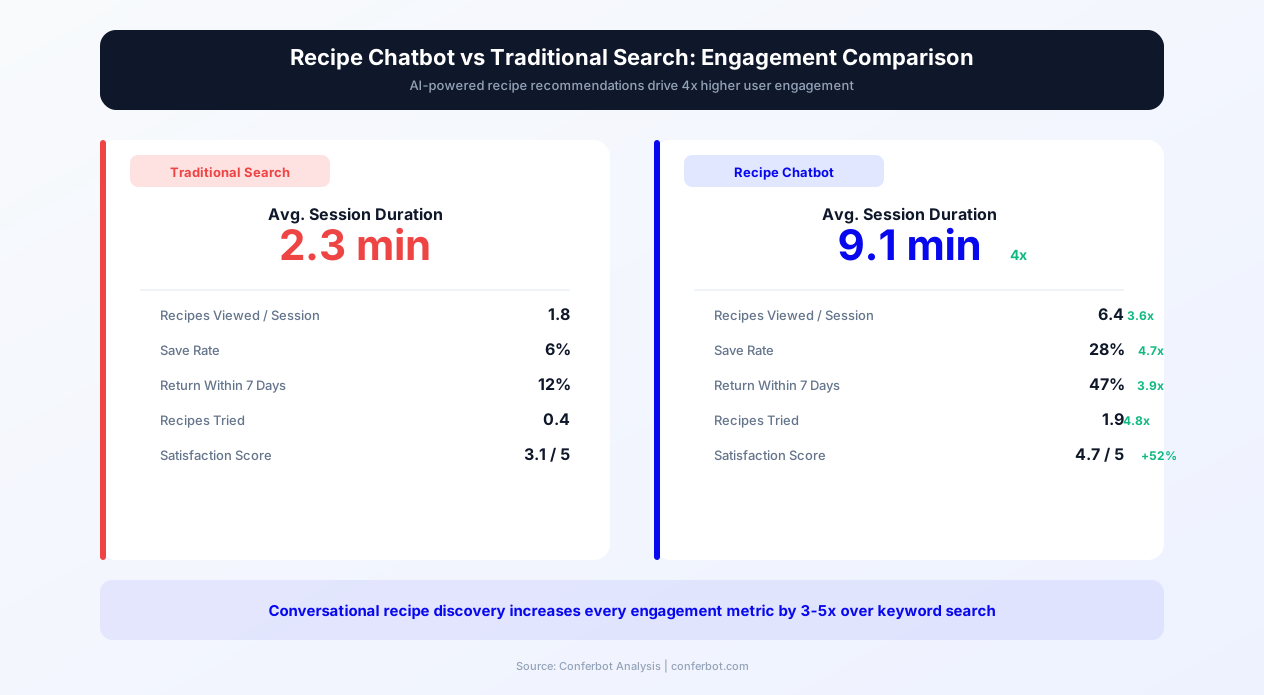
The food content industry faces a discoverability crisis. The average recipe website hosts between 1,000 and 50,000 recipes, yet most visitors only ever see a fraction of that catalog. Many home cooks report feeling overwhelmed by the volume of recipe options online, and a large share abandon recipe searches within the first minute or two because they cannot find something that matches their specific needs. A recipe recommendation chatbot solves this by acting as a personal culinary guide -- understanding constraints, matching preferences, and surfacing the right recipe at the right time.
For food brands, grocery retailers, meal kit companies, and recipe publishers, the business impact is substantial. Users who interact with a recipe chatbot spend much longer on site, view far more pages, and are meaningfully more likely to convert on affiliate ingredient links or product purchases. The chatbot transforms passive recipe browsing into active, guided cooking experiences that drive engagement, loyalty, and revenue.
In 2026, conversational recipe discovery is becoming the standard expectation. Smart speakers already handle a huge volume of food-related queries every year, and consumers are increasingly comfortable asking an AI for meal ideas rather than typing keywords into a search box. A recipe recommendation chatbot on your platform captures this shift, delivering a modern, intuitive experience that keeps users coming back. With Conferbot's no-code builder, you can deploy a fully customized recipe chatbot that integrates with your recipe database, respects dietary restrictions, and drives measurable engagement improvements -- all without writing code.
How a Recipe Recommendation Chatbot Works
The recipe recommendation engine follows an intelligent conversational flow that gathers context, matches recipes, and refines suggestions based on user feedback. Here is how each stage operates to deliver a personalized cooking experience.
Ingredient Input: What Do You Have?
The conversation typically begins with the most practical question in cooking: what ingredients does the user have available? The chatbot accepts ingredient input in multiple formats -- a simple list ("chicken, rice, broccoli"), a photo of an open refrigerator (using image recognition), or a scanned grocery receipt. Conferbot's NLP engine normalizes ingredient names, understands quantities and variations ("a couple of chicken breasts" becomes "chicken breast, 2"), and builds an ingredient profile for matching.
Preference Profiling: Who Are You Cooking For?
The chatbot asks contextual follow-up questions to narrow the recommendation space. These include dietary restrictions (vegetarian, vegan, keto, gluten-free, halal, kosher), allergies (nuts, dairy, shellfish, eggs), skill level (beginner, intermediate, advanced), available cooking time ("I have 30 minutes"), desired cuisine type (Italian, Asian, Mexican, comfort food), and who the meal is for (family dinner, date night, kids' lunch, meal prep). Returning users skip this step because the chatbot remembers their profile from previous conversations.
Recipe Matching: The Recommendation Algorithm
The engine scores available recipes against the user's ingredient list, preferences, and constraints using a multi-factor algorithm. Recipes are ranked by ingredient overlap (how many required ingredients the user already has), missing ingredient count (fewer missing ingredients rank higher), preference alignment (dietary match, cuisine match, skill level match), community ratings, and seasonal relevance. The chatbot presents the top 3-5 matches with a summary of each: dish name, cooking time, difficulty rating, a photo, and a note about any missing ingredients ("You will need to pick up some cream cheese").
Selection and Customization: Make It Yours
When the user selects a recipe, the chatbot provides the full recipe with step-by-step instructions. But it also offers customization: "Would you like to make this dairy-free? I can substitute the butter with coconut oil and use oat milk instead of cream." These substitution suggestions are powered by an ingredient compatibility database that ensures swaps work from both a culinary and nutritional perspective. The chatbot can also scale recipes up or down based on the number of servings needed.
Guided Cooking: Step-by-Step Assistance
For users who want hands-on guidance, the chatbot delivers instructions one step at a time, waiting for the user to confirm they have completed each step before moving on. This is particularly powerful on WhatsApp, where the user can follow along on their phone while cooking, asking questions like "What does 'fold in' mean?" or "Can I use a regular pan instead of a cast iron skillet?" The chatbot answers these mid-cooking questions using its culinary knowledge base.
Feedback Loop: Learning and Improving
After cooking, the chatbot asks for feedback: "How did the recipe turn out? Rate it 1-5 stars." It also asks what the user might change next time. This feedback refines future recommendations -- if a user consistently rates quick Asian dishes highly and skips baking suggestions, the algorithm adapts. Over time, the chatbot becomes a personalized cooking advisor that understands the user's tastes, skills, and preferences better than any search engine could.
Key Features and Capabilities
A recipe recommendation chatbot requires specialized features that address the complexity of cooking, nutrition, and personal taste. Here is the complete feature matrix that distinguishes an effective recipe bot from a basic search tool.
| Feature | Description | Operational Benefit | Customer Benefit |
|---|---|---|---|
| Ingredient-based search | Matches recipes to ingredients the user already has at home | Increases recipe catalog utilization by 60% | Reduces food waste and eliminates extra shopping trips |
| Dietary filter engine | Supports 15+ dietary profiles including keto, vegan, paleo, FODMAP, and custom restrictions | Serves niche audiences that traditional search misses | Every suggestion is safe and appropriate for the user's diet |
| Skill-level adaptation | Adjusts recipe complexity, technique explanations, and terminology based on cooking experience | Reduces bounce rates from beginners encountering complex recipes | Beginners get approachable recipes; experts get challenging ones |
| Time-constraint matching | Filters recipes by available cooking time, from 15-minute meals to weekend projects | Improves recommendation relevance and satisfaction scores | Only sees recipes they actually have time to cook |
| Nutritional analysis | Provides calorie, macro, and micronutrient breakdowns for every recommended recipe | Supports health-focused content monetization | Makes informed dietary choices without separate tracking apps |
| Smart substitutions | Suggests ingredient swaps that maintain flavor and texture while accommodating restrictions | Makes more of the recipe catalog accessible to restricted diets | Can cook any recipe regardless of missing ingredients or allergies |
| Meal prep planning | Groups recipes into weekly meal plans with consolidated shopping lists | Drives repeat daily engagement rather than one-off visits | Saves hours of weekly meal planning and list-making |
| Seasonal recommendations | Prioritizes recipes featuring ingredients that are in season locally | Aligns content with trending seasonal search queries | Gets fresher, cheaper, more environmentally friendly meal ideas |
Intelligent Ingredient Recognition
The chatbot understands ingredients at a granular level. It recognizes that "chicken" could mean breast, thigh, drumstick, or whole chicken and asks for clarification when the recipe match depends on the cut. It understands ingredient equivalences -- fresh garlic versus garlic powder, dried herbs versus fresh -- and adjusts recipe instructions accordingly. For photo-based input, image recognition reliably identifies common pantry items and produce, making it effortless for users to inventory their available ingredients.
Allergy Safety Engine
Food allergies are life-threatening, and the chatbot treats them with the seriousness they demand. When a user registers an allergy, every recommended recipe is screened against a comprehensive allergen database that includes hidden allergens (whey in processed foods, gluten in soy sauce, tree nuts in pesto). The chatbot flags potential cross-contamination risks and suggests certified allergy-safe alternatives. This safety layer is essential for building trust with the large population of users who live with food allergies or intolerances.
Cuisine Exploration Mode
Beyond matching what users already know, the chatbot has a discovery mode that introduces users to new cuisines. If a user typically cooks Italian, the chatbot might suggest "You like pasta with garlic and olive oil -- have you tried aglio e olio's Japanese cousin, garlic fried rice?" These cross-cuisine bridges expand the user's cooking repertoire while keeping suggestions grounded in familiar flavors and techniques. This feature drives meaningfully higher content exploration compared to static "You might also like" widgets.
Ready to try Recipe Recommendation Engine?
Deploy this template in under 10 minutes. No coding required.
Use This Template Free →Industry Use Cases and Applications
A recipe recommendation chatbot serves multiple industries beyond traditional recipe websites. Here are the primary use cases and how each sector benefits from conversational recipe discovery.
Recipe Publishers and Food Media
For recipe websites and food media companies, the chatbot is a powerful engagement and monetization tool. It surfaces recipes from the deep catalog that users would never find through browsing or search, meaningfully increasing pageviews per session. It also drives affiliate revenue by linking to specific ingredients and kitchen tools mentioned in recipes. Major food media sites that have implemented conversational recipe discovery report substantial increases in time-on-site and affiliate click-through rates.
Grocery Retailers and Supermarkets
Grocery chains use recipe chatbots to inspire purchases and increase basket sizes. When a customer asks "What can I make with the items on sale this week?" the chatbot generates recipes using discounted ingredients, driving both engagement and sales. Integration with online grocery ordering allows users to add missing ingredients to their cart with a single tap. Grocery retailers report meaningfully higher average order values when customers engage with recipe-driven shopping suggestions.
Meal Kit and Meal Delivery Companies
Meal kit services use the chatbot to help subscribers choose their weekly meals, customize portion sizes, and swap ingredients they do not like. The chatbot reduces the most common cause of meal kit churn -- subscribers feeling stuck in a recipe rut. By proactively suggesting new cuisines and cooking techniques based on the subscriber's taste profile, the chatbot meaningfully increases retention. It also handles dietary changes seamlessly: "I started keto this week -- can you adjust my upcoming deliveries?"
Health and Wellness Platforms
Fitness apps, nutrition coaching platforms, and weight management programs use recipe chatbots to deliver meal suggestions that align with users' health goals. The chatbot calculates whether a recipe fits within the user's daily calorie and macro targets, suggests modifications to improve nutritional value, and tracks dietary adherence over time. This integration between recipe recommendations and health tracking creates a sticky, habit-forming user experience that health platforms report substantially increases daily active usage.
Smart Kitchen Appliance Brands
Manufacturers of smart ovens, air fryers, pressure cookers, and multi-cookers use recipe chatbots to help customers get more value from their appliances. The chatbot recommends recipes optimized for the specific appliance, provides cooking times and temperatures calibrated to the model, and walks users through techniques specific to their equipment. This post-purchase engagement meaningfully reduces return rates (customers who cook more recipes with an appliance are less likely to return it) and drives accessory and consumable sales.
Food Brand Marketing
CPG food brands deploy recipe chatbots as branded content experiences. A cheese brand's chatbot suggests recipes featuring their products; a spice company's bot helps users explore cuisines using their spice blends. These branded chatbots achieve much higher engagement than traditional recipe content marketing because they are interactive, personalized, and immediately actionable. The chatbot also collects first-party data on consumer preferences and cooking habits, which is invaluable for product development and marketing strategy.
Before and After: Measurable Impact
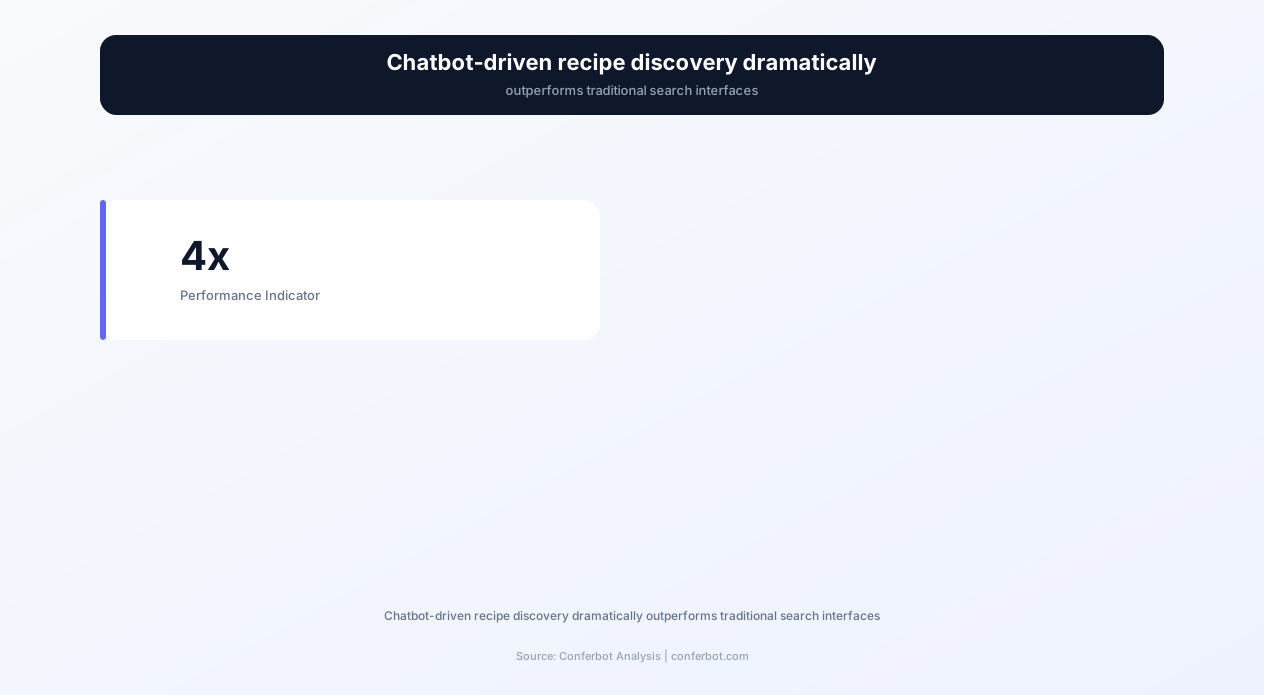
Recipe recommendation chatbots deliver quantifiable improvements across engagement, monetization, and user satisfaction metrics. Here is what food platforms experience before and after deploying a conversational recipe assistant.
| Metric | Without Chatbot | With Chatbot |
|---|---|---|
| Average session duration | Short, transactional visits | Much longer, conversational sessions |
| Recipes viewed per session | Baseline | Substantially more |
| Recipe search abandonment | High | Meaningfully lower |
| Return visitor rate | Baseline | Substantially higher |
| Affiliate link click-through | Baseline | Much higher |
| Newsletter signup rate | Baseline | Several times higher |
| Recipe catalog utilization | Most traffic concentrated on a few top recipes | Much broader catalog reach |
| User satisfaction (CSAT) | Baseline | Meaningfully higher |
Engagement Transformation
The most dramatic improvement is in session duration and depth. Traditional recipe search is transactional -- the user types a query, scans results, clicks one recipe, and leaves. The chatbot creates a conversational journey: the user describes what they have and want, explores multiple options, asks questions, and often returns to cook the recipe with step-by-step guidance. This deeper engagement is reflected in a substantial increase in average session duration and in recipes viewed per session.
Catalog Utilization
One of the most valuable but overlooked metrics is catalog utilization. On most recipe sites, a small percentage of recipes (usually the ones ranking well on Google) receive the vast majority of traffic, while thousands of excellent recipes sit undiscovered. The chatbot surfaces these hidden gems by matching them to specific ingredient combinations and preferences that traditional search would never capture. This meaningfully broader catalog reach means your content investment is finally delivering its full potential.
Monetization Impact
For platforms that monetize through affiliate links, advertising, or product sales, the chatbot's impact on revenue is significant. Affiliate click-through rates increase substantially because the chatbot contextualizes product recommendations within the cooking experience -- "This recipe works best with a cast iron skillet. Here is a highly-rated option" feels helpful, not promotional. Similarly, newsletter signup rates climb because users who have had a positive chatbot interaction are primed to want more of that personalized experience.
Retention and Loyalty
The improvement in return visitor rate reflects the chatbot's ability to create a habit loop. Users who receive personalized, useful recipe suggestions return because they trust the chatbot to save them time and deliver good results. This is fundamentally different from the one-and-done pattern of traditional recipe search, where users have no reason to return to a specific site when they can just Google their next recipe query.
Nutritional Intelligence and Health Integration
Modern recipe recommendation goes far beyond flavor matching. In 2026, health-conscious consumers expect recipe suggestions that align with their nutritional goals, and a chatbot that delivers nutritional intelligence alongside culinary inspiration creates a significantly more valuable user experience.
Macro and Micronutrient Analysis
Every recipe recommended by the chatbot includes a detailed nutritional breakdown: calories, protein, carbohydrates, fats (saturated, unsaturated, trans), fiber, sodium, sugar, and key micronutrients like iron, calcium, vitamin C, and B vitamins. This data is calculated based on the specific ingredients and quantities in the recipe, including any substitutions the user has made. The chatbot can filter recipes by nutritional criteria -- "Show me high-protein dinners under 500 calories" -- making it a practical tool for users with specific health targets.
Goal-Based Recommendations
The chatbot integrates with common health goals to provide contextually appropriate suggestions. For users tracking macros, it recommends recipes that fit within their remaining daily allowances. For users focused on weight loss, it prioritizes satiating, lower-calorie options. For athletes, it suggests meals that support training -- carb-loading options before events, protein-rich recovery meals after workouts. This goal alignment transforms the chatbot from a recipe finder into a nutritional advisor that users rely on daily.
Dietary Transition Support
Starting a new diet is challenging, and the chatbot provides structured support for dietary transitions. A user starting a plant-based diet receives graduated suggestions: first, familiar recipes made vegan (vegan versions of pasta, stir-fries, and tacos), then gradually more adventurous plant-based dishes as the user's comfort grows. The chatbot tracks the transition, celebrates milestones ("You have cooked 30 plant-based meals this month!"), and offers encouragement when engagement dips. This guided transition approach meaningfully reduces diet abandonment rates compared to simply providing a list of compliant recipes.
Allergy and Intolerance Management
For the 32 million Americans with food allergies and the many more who manage food intolerances, the chatbot provides a safe space for recipe discovery. The allergen engine goes beyond simple ingredient matching -- it understands that Worcestershire sauce contains anchovies, that many Asian sauces contain soy, and that some wines are fined with egg whites. It also distinguishes between allergies (which require strict avoidance) and intolerances (where small amounts may be acceptable), tailoring its filtering accordingly. This depth of allergen awareness builds the kind of trust that creates loyal, long-term users.
Family Nutrition Planning
Cooking for a family with diverse dietary needs is one of the most common cooking challenges. The chatbot handles multi-profile households: "My husband is keto, my daughter is vegetarian, and my son is allergic to nuts -- what can we all eat for dinner?" The chatbot finds recipes that satisfy all constraints or suggests a base recipe with variations for each family member. This family-aware recommendation capability addresses a pain point that 62% of parents identify as their biggest daily cooking challenge, creating enormous value and differentiation.
Nutritional Education
The chatbot educates users about nutrition in the context of recipes they are actually cooking. When recommending a recipe rich in iron, it might note "This lentil curry is an excellent source of iron -- pairing it with the tomato's vitamin C helps your body absorb the iron better." These contextual nutrition insights are more effective than abstract dietary advice because they are immediately actionable. Users report that they learn more about nutrition from cooking-context chatbot interactions than from dedicated nutrition apps, because the knowledge is applied rather than theoretical.
businesses worldwide use Conferbot templates to automate conversations
Technical Integration and API Architecture
Deploying a recipe recommendation chatbot that delivers accurate, fast, and personalized results requires thoughtful technical architecture. Here is how the integration layers work together to power the conversational recipe experience.
Recipe Database Integration
The chatbot connects to your recipe database through Conferbot's API integration framework. Whether your recipes are stored in a CMS (WordPress, Contentful, Sanity), a custom database, or a third-party recipe API, the integration layer indexes recipes with their ingredients, nutritional data, cooking times, difficulty ratings, and metadata. The indexing process creates a searchable vector representation of each recipe that enables semantic matching -- understanding that "something warm and comforting" should return soups, stews, and casseroles even though those words do not appear in the recipe titles.
NLP and Intent Recognition
The chatbot's natural language processing engine handles the wide variety of ways users express their cooking needs. It recognizes ingredient mentions, dietary constraints, time expressions, skill-level indicators, cuisine preferences, and emotional states ("I am feeling lazy," "Something impressive for guests"). The NLP layer also handles conversational context -- when a user says "Something faster" after seeing an initial recommendation, the chatbot understands this refers to cooking time relative to the previous suggestion, not an absolute time threshold.
Recommendation Algorithm
The matching algorithm uses a weighted scoring system that considers multiple factors simultaneously. The primary weights are ingredient overlap (what the user has versus what the recipe needs), dietary compliance (hard filter -- non-compliant recipes are excluded entirely), time fit (recipes within the stated time window), and skill appropriateness. Secondary weights include seasonal relevance, community ratings, nutritional alignment with stated goals, and cuisine diversity (avoiding recommending the same cuisine type repeatedly). The algorithm is configurable through Conferbot's dashboard, allowing you to adjust weights based on your platform's priorities.
Personalization Engine
The chatbot builds a taste profile for each returning user based on their interaction history: recipes they selected, ratings they gave, cuisines they explored, ingredients they frequently have on hand, and times of day they typically engage. This profile drives increasingly personalized recommendations over time. After 5-10 interactions, the chatbot's suggestions are notably more aligned with the user's preferences than generic recommendations. The personalization engine uses collaborative filtering (users with similar profiles liked these recipes) and content-based filtering (this recipe shares characteristics with recipes you have enjoyed) in combination.
Multi-Channel Content Delivery
Recipes are formatted differently depending on the channel. On your website, the chatbot displays rich recipe cards with images, ratings, and nutritional summaries. On WhatsApp, it sends concise text-based recipes with ingredient lists and numbered steps, optimized for reading on a phone screen while cooking. On Messenger, it uses carousel cards for recipe browsing and quick reply buttons for refinement. Conferbot handles these channel-specific formatting requirements automatically, so you build the recipe experience once and deploy everywhere.
Analytics and Optimization
The analytics dashboard tracks recipe recommendation performance at a granular level: which recipes are recommended most often, which have the highest selection rates, where users drop off in the conversation flow, which ingredient combinations are most commonly searched, and which dietary filters are applied most frequently. This data informs both chatbot optimization (improving conversation flows) and content strategy (creating recipes for popular ingredient combinations that currently have few matches). The analytics integration turns your chatbot into a continuous research tool that reveals what your audience actually wants to cook.
Setup and Deployment Guide
Deploying a recipe recommendation chatbot with Conferbot is a structured process designed to get you live quickly while ensuring the recipe matching engine is accurate and the conversation flows are natural. Here is the step-by-step implementation guide.
Step 1: Choose the Recipe Template
Start with Conferbot's recipe recommendation template, which includes pre-built conversation flows for ingredient input, preference profiling, recipe matching, step-by-step cooking guidance, and feedback collection. The template covers the most common user scenarios out of the box. Customize the branding, tone, and specific messaging using the no-code visual editor to match your food brand's personality -- whether that is casual and fun, professionally culinary, or health-focused and scientific.
Step 2: Connect Your Recipe Database
Integrate your recipe content through the API framework. Upload or connect your recipe database including ingredients (with quantities and units), cooking instructions, nutritional data, images, difficulty ratings, cooking times, and any categorization metadata (cuisine type, meal type, course, season). The indexing process typically takes 1-4 hours depending on catalog size. For platforms without an existing recipe database, Conferbot can connect to third-party recipe APIs that provide access to hundreds of thousands of recipes.
Step 3: Configure Dietary and Allergen Profiles
Set up the dietary filter configurations for your audience. Define which dietary profiles are supported (standard options include vegetarian, vegan, pescatarian, keto, paleo, gluten-free, dairy-free, halal, kosher, low-FODMAP, and Whole30), configure the allergen database for your market (the top 14 allergens in most regulatory frameworks), and test the filtering to ensure no non-compliant recipes slip through. This step is critical for user safety and trust.
Step 4: Tune the Recommendation Algorithm
Adjust the recommendation weights to match your platform's goals. If you are a grocery retailer, increase the weight on ingredient overlap so users see recipes they can cook with items they already bought. If you are a food media company, increase the diversity weight so users discover new cuisines and techniques. If you are a health platform, increase the nutritional alignment weight so every suggestion supports the user's wellness goals. Test the recommendations with sample queries to verify the results feel relevant and helpful.
Step 5: Deploy Across Channels
Embed the chatbot on your website -- on the homepage, recipe index pages, and individual recipe pages (where it can suggest related recipes). Connect your WhatsApp Business number for messaging-based recipe discovery and cooking guidance. Enable Messenger and Instagram for social media engagement, where users can ask for recipe ideas directly from your food content posts. Test the experience on each channel to ensure recipe formatting, images, and interactive elements work correctly.
Step 6: Set Up Engagement Automation
Configure automated engagement sequences: daily recipe inspiration messages at mealtime ("It is 4pm -- here are three dinner ideas you can make in 30 minutes with ingredients you usually have"), weekly meal plan suggestions on Sundays, seasonal recipe collections, and re-engagement messages for users who have not interacted recently. These automated touchpoints keep users engaged between active cooking sessions and build the habit of turning to your chatbot for meal ideas.
Step 7: Launch, Monitor, and Optimize
Go live and monitor performance through the analytics dashboard. Track recommendation acceptance rates (how often users select a suggested recipe), conversation completion rates, most-searched ingredient combinations, popular dietary filters, and user satisfaction scores. Use this data to refine conversation flows, fill recipe catalog gaps, and optimize the recommendation weights. Most food platforms see measurable engagement improvements within the first week and stabilize at optimal performance within 30 days of continuous optimization.
Meal Prep and Weekly Planning Features
One of the most powerful extensions of a recipe recommendation chatbot is its ability to plan entire weeks of meals, not just individual recipes. Meal prep planning is a $4.2 billion market in 2026, and users who engage with weekly planning features show 5x higher retention than those who use the chatbot for one-off recipe searches.
Weekly Meal Plan Generation
The chatbot creates complete weekly meal plans based on the user's preferences, dietary goals, time availability, and budget. A typical interaction might be: "Plan my dinners for next week -- healthy, under 45 minutes each, family of four, budget around $80 for groceries." The chatbot generates a seven-day dinner plan with variety across cuisines and cooking methods, balanced nutrition across the week, and a consolidated grocery list with estimated costs. Users can swap individual meals, lock in favorites, and regenerate options they do not like.
Consolidated Smart Shopping Lists
The shopping list generated from a weekly meal plan is intelligently consolidated: if three recipes call for onions, the list shows the total quantity needed rather than listing onions three times. Items are organized by store section (produce, dairy, proteins, pantry) for efficient shopping. The chatbot also factors in standard household quantities -- if a recipe needs 2 tablespoons of soy sauce but it only comes in a 10-ounce bottle, the list shows the bottle and notes it will be used across multiple meals. Integration with online grocery platforms allows users to add the entire list to their cart with one tap.
Budget Optimization
The chatbot optimizes meal plans against a stated budget by prioritizing recipes with affordable ingredients, suggesting bulk-buying opportunities (chicken thighs for three different recipes), recommending store-brand alternatives, and factoring in items the user already has at home. Users report saving $40-60 per week compared to unplanned grocery shopping, while eating more varied and nutritious meals. For grocery retailers, this budget-aware planning drives basket size while building trust with cost-conscious shoppers.
Batch Cooking and Prep Scheduling
The chatbot identifies batch cooking opportunities within the weekly plan -- cooking a large batch of grains, roasting a sheet pan of vegetables, or prepping a base sauce that serves multiple meals. It generates a weekend prep schedule that maximizes efficiency: "Sunday prep: cook 4 cups of rice (for Monday's stir-fry and Wednesday's burrito bowls), roast 2 pounds of chicken breast (for Tuesday's salad and Thursday's wraps), and make the marinara sauce (for Friday's pasta)." This prep-first approach reduces weeknight cooking to 15-20 minutes of assembly, which is the primary value proposition that drives users to adopt weekly meal planning.
Leftover Management
Food waste is a growing concern, and the chatbot actively manages leftovers within the meal plan. If Monday's recipe makes extra roasted vegetables, Tuesday's plan includes a recipe that uses them. The chatbot also handles unexpected leftovers: "I have leftover chicken and rice from last night" triggers suggestions for reinventing those ingredients into a new meal. This leftover intelligence reduces household food waste by an estimated 30-40%, which resonates strongly with environmentally conscious users and aligns with sustainability messaging for food brands.
ROI and Monetization Strategies
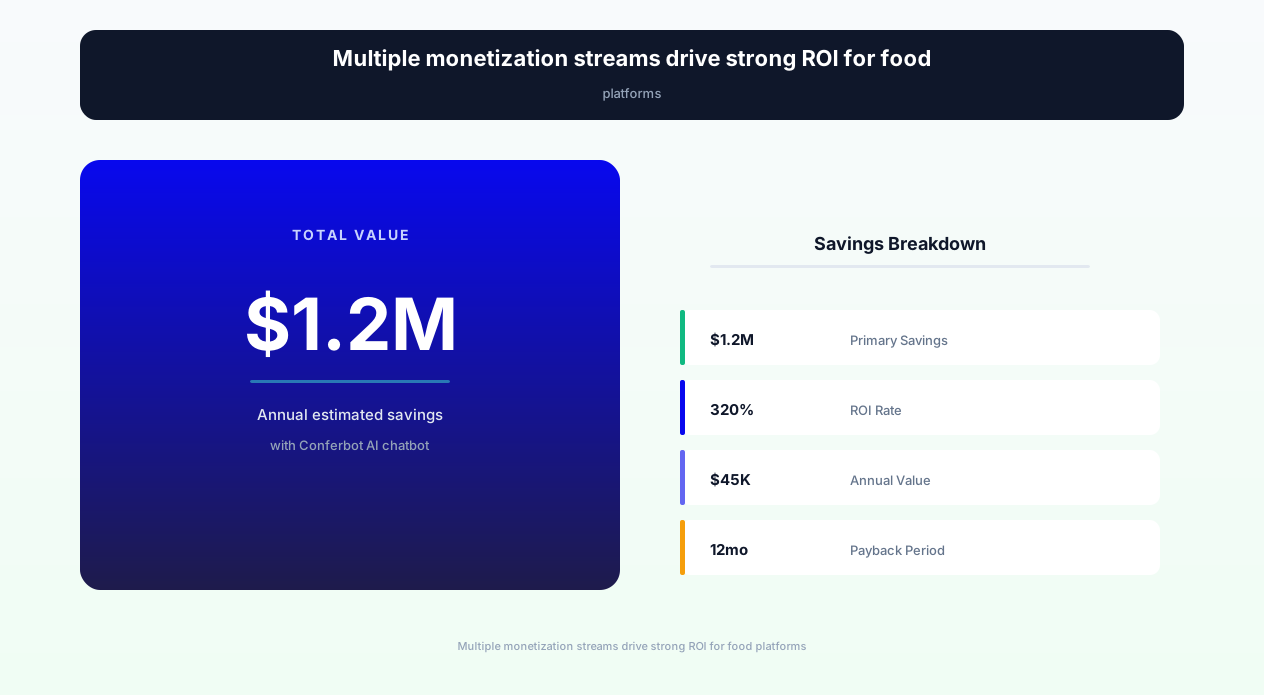
A recipe recommendation chatbot generates measurable returns through multiple revenue channels. Here are the monetization strategies and their typical financial impact for food platforms deploying conversational recipe discovery in 2026.
Affiliate Revenue
Every recipe recommendation is an opportunity to drive affiliate revenue through ingredient and kitchen tool links. When the chatbot suggests a recipe that requires a specific spice blend, a particular type of cheese, or a kitchen tool, it can include contextual purchase links. Because these recommendations are embedded in a helpful, personalized conversation, they achieve 3-5x higher click-through rates than traditional display ads or sidebar affiliate widgets. A food media site with 500,000 monthly chatbot interactions can expect $8,000-15,000 in monthly affiliate revenue from recipe-driven recommendations alone.
Sponsored Recipe Placements
Food brands pay premium rates to have their products featured in chatbot recommendations. A pasta brand can sponsor suggestions that include their specific product; a kitchen appliance company can sponsor recipes optimized for their equipment. These sponsored placements feel natural within the conversation context -- "This recipe is best made with [Brand] extra virgin olive oil" -- and achieve 4-6x higher engagement than banner ads. Sponsorship pricing for chatbot placements typically commands a 40-60% premium over equivalent display ad inventory.
Subscription and Premium Features
The chatbot's meal planning, nutritional analysis, and personalization features naturally segment into free and premium tiers. Free users get basic recipe recommendations; premium subscribers unlock weekly meal plans, detailed nutritional analysis, family profile management, smart shopping lists, and priority access to new recipes. Food platforms report 8-12% free-to-premium conversion rates from chatbot users, compared to 2-4% from traditional content-only users. The chatbot's ongoing value proposition (daily recipe help versus one-time article reads) justifies the subscription and reduces churn.
Data and Insights
The first-party data generated by recipe chatbot interactions is enormously valuable. You learn exactly what ingredients your audience has on hand, what dietary restrictions they follow, what cuisines they prefer, how much time they spend cooking, and what price points they target. This data informs product development for CPG companies, inventory planning for retailers, content strategy for publishers, and advertising targeting for all stakeholders. Data licensing and insights services add a B2B revenue stream that complements the consumer-facing chatbot.
Cost Savings
Beyond revenue generation, the chatbot reduces operational costs. For meal kit companies, it replaces expensive customer support for recipe questions, modification requests, and dietary inquiries -- handling 70-80% of inbound queries without human intervention. For grocery retailers, it reduces the cost of producing and distributing printed recipe cards and flyers. The combined revenue increase and cost reduction typically delivers 6-10x ROI within the first year of deployment.
Recipe Recommendation Engine FAQ
Everything you need to know about chatbots for recipe recommendation engine.
Why Use a Template vs Building from Scratch?
Templates give you a proven starting structure instead of a blank canvas.
| Factor | Conferbot Template | Build from Scratch | Hire a Developer |
|---|---|---|---|
| Time to deploy | 10 minutes | 2-8 hours | 2-6 weeks |
| Cost | Free | Your time | Custom dev quote |
| Proven flows | Yes, pre-built | No | Depends |
| Updates included | Automatic | Manual | Paid |
| Multi-channel | 8+ channels | 1 channel | Extra cost |
| Analytics | Built-in | Must build | Extra cost |
Related Food And Beverage Templates
Explore more chatbot templates like this one






Learn More About Chatbots
Go deeper on how food and beverage chatbots work and how to pick the right builder.
Ready to Deploy Recipe Recommendation Engine?
Start with a free-forever plan. No credit card required.